
Treating Anxiety in Atlanta, GA
Anxiety disorders, characterized by profound worry, panic, and fear, can reshape lives. These mental health challenges often diminish one’s ability to lead a fulfilling life, underscoring the unfortunate fact that anxiety disorders stand as the predominant mental health ailment in America. However, with specialized anxiety treatment in Atlanta, GA, it’s possible to regain a semblance of balance and tranquility.
West Georgia Wellness Center, renowned as one of the country’s leading providers for anxiety treatment, takes a holistic approach to address this pervasive issue. Our dedicated team, keen on bridging the chasm between healing and comfort, meticulously crafts tailored treatment plans, ensuring individuals set forth on a transformative journey toward better health.
What is Anxiety?
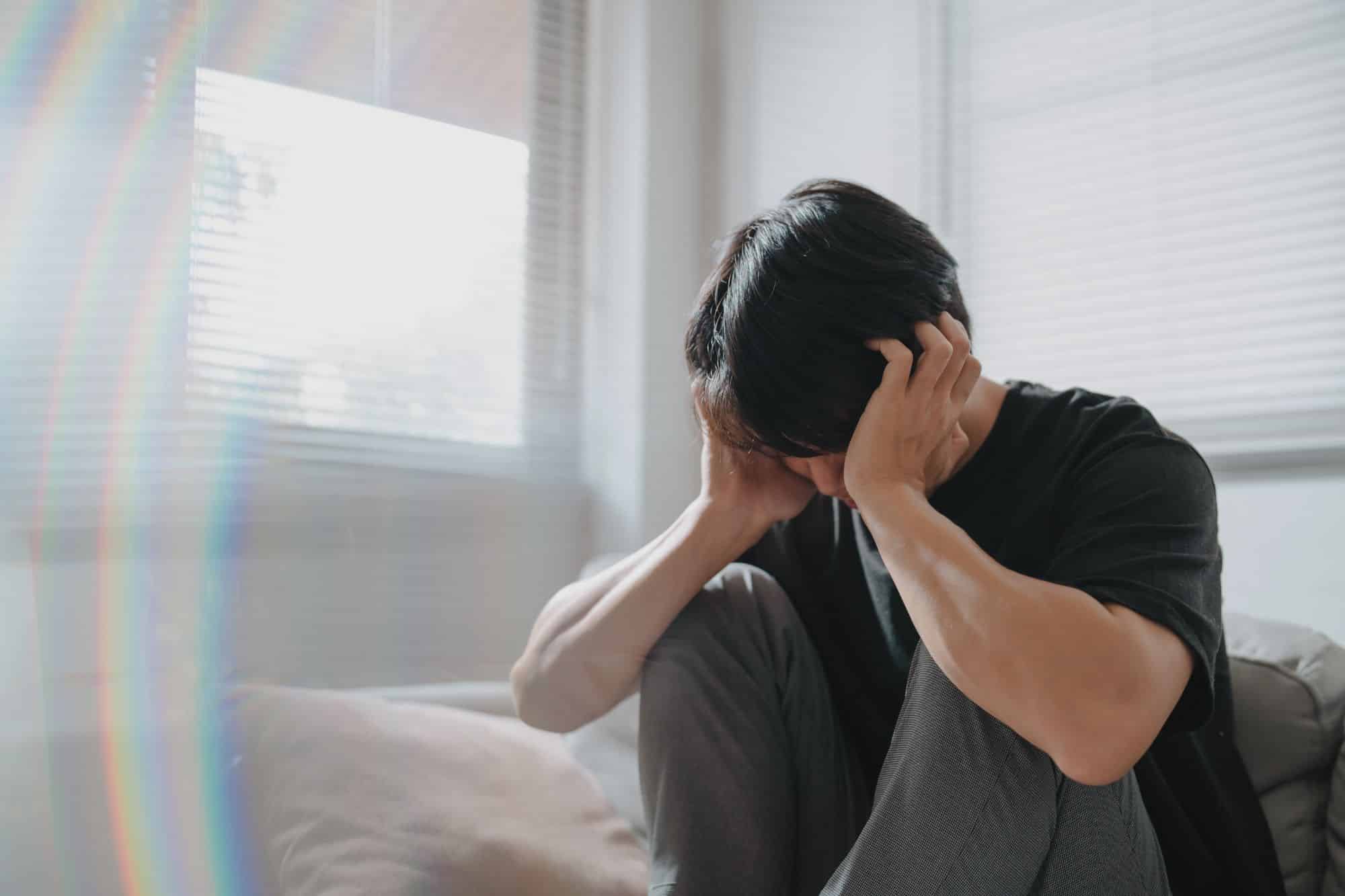
While it’s natural for everyone to grapple with stress and worry, anxiety disorders amplify these emotions, often evoking physical symptoms that ensue when we’re apprehensive, particularly about what the future holds. This can stem from perceived threats, leading to severe repercussions if unchecked. Those diagnosed often grapple with debilitating anxiety, which can encroach upon daily life, hindering participation in social, familial, academic, and professional spheres.
The complex tapestry of anxiety encompasses various types: from generalized anxiety disorders and panic disorders to specific phobias and social anxiety. It’s not uncommon for those affected to be consumed by a looming sense of doom, plagued by racing thoughts or even physical manifestations such as rapid heart rates, breathlessness, or excessive perspiration.
This all-encompassing condition often permeates every facet of an individual’s life, affecting personal relationships, task management, and even overall well-being. It can stymie productivity, foster avoidant behavior, and precipitate ill-judged decisions.
However, there’s hope. Through the interventions available at our residential anxiety treatment in Atlanta, GA, individuals can learn to navigate these challenges. By acquiring self-soothing techniques and reframing detrimental thoughts into constructive ones, individuals can reclaim control of their lives. Seeking assistance isn’t an admission of weakness; on the contrary, it’s an affirmation of resilience and strength. The therapeutic techniques imparted not only equip one to manage anxiety symptoms but also serve as valuable tools in confronting other mental health challenges. To truly conquer anxiety, holistic healing is imperative, and that’s what we strive to facilitate at the West Georgia Wellness Center.

Who is at risk for anxiety disorders?
Various genetic and environmental elements can contribute to an individual’s susceptibility to anxiety disorders. Your risk might be elevated if you possess or have experienced:
- Specific personality characteristics, such as being shy or having behavioral inhibition—feeling uneasy with, and evading, unfamiliar individuals, circumstances, or settings.
- Stress-inducing or traumatic incidents in early childhood or later in life.
- A familial history of anxiety or other mental health disorders.
- Certain medical conditions, like thyroid issues and heart arrhythmias (abnormal heartbeats).
- Anxiety disorders are found to be more prevalent in women. The exact reason is still under research, though it might relate to hormonal differences, particularly the ones that change throughout the menstrual cycle. Testosterone, which is more abundant in men, might alleviate anxiety. Another aspect could be that women might be hesitant to seek anxiety treatment, causing the anxiety to intensify over time.
What are the types of anxiety disorders?
There are various forms of anxiety disorders, comprising:
- Generalized anxiety disorder (GAD)
- Panic disorder
- Phobias
- Separation anxiety
- Severe anxiety
- Other mental health disorders like post-traumatic stress disorder and obsessive-compulsive disorder also exhibit similarities with anxiety disorders
Do I need anxiety treatment?
Here are signs and symptoms of anxiety. If you recognize one or more of the following issues, you might require anxiety treatment:
- Episodes of overpowering fear, worry, or panic.
- Emergence of heart palpitations, excessive sweating, or a choking sensation.
- Heightened distress when separated from a specific individual.
- Difficulty speaking in certain social settings.
- Extreme stress when attempting to leave your home or being in large gatherings.
- Sudden, intense fear triggered by a particular object or scenario.
- Overwhelming fear of embarrassing oneself while speaking, eating in public, or interacting with new individuals.
- Altering your behavior to evade people, places, or situations that might trigger anxiety symptoms.
Consulting a healthcare provider is the optimal way to ascertain if you need anxiety rehab. For a precise diagnosis of an anxiety disorder, an assessment by a qualified professional is necessary.
Once diagnosed, the evaluating professional can direct you to suitable anxiety rehab.
How is Anxiety Treated?
Addressing anxiety necessitates a comprehensive treatment approach often entailing therapy, lifestyle modifications, and at times medication. Treatment is tailored as there’s no universally effective method. It often demands a blend of therapies to assist individuals in resuming a normal lifestyle.
Cognitive-behavioral therapy (CBT) is a prevalent therapeutic approach aiming to replace negative, unproductive thought patterns with positive ones. Through CBT, individuals can better manage stressful situations, preventing negative thoughts from influencing their emotions, which leads to enhanced self-awareness and emotional control.
In Atlanta, GA, anxiety treatment encompasses CBT, medication management, and holistic strategies to aid those grappling with anxiety.
Can Anxiety Disorders be Prevented?
It’s not possible to prevent anxiety disorders entirely, however, there are measures you can take to manage or alleviate your symptoms:
- Review Medications: Before using any over-the-counter medications or herbal remedies, it’s advisable to consult with a healthcare provider or pharmacist. Some of these substances may contain chemicals that could exacerbate anxiety symptoms.
- Reduce Caffeine Intake: Consider eliminating or minimizing your consumption of caffeine from sources like coffee, tea, cola, and chocolate.
- Maintain a Healthy Lifestyle: Engage in regular exercise and adhere to a nutritious, balanced diet.
- Seek Support: If you have been through a traumatic or unsettling event, obtaining counseling and support can be beneficial in preventing anxiety and other adverse emotions from intruding on your life.
Benefits of an anxiety treatment in Atlanta
The primary advantage of enrolling in our anxiety rehab in Atlanta is the alleviation from distressing symptoms. Additional benefits at West Georgia Wellness Center include:
- Safe & hospitable ambiance: Our crew diligently ensures our anxiety rehab center is a secure and welcoming space for all.
- Proficient & empathetic staff: You’ll closely collaborate with a team of devoted specialists keen on aiding you to attain your objectives.
- Tailored treatment: We devote time to understand you individually, ensuring the provision of services aligning with your distinct needs and aspirations.
Upon transitioning from our residential anxiety rehab, a thorough aftercare plan offers continued support, identifying resources to further the progress made during your stay.

How long does anxiety treatment last?
The treatment duration at our anxiety rehab hinges on your unique needs and progress. Initially, we’ll assist in setting your treatment goals, devising a plan to realize them. This plan includes an initial recommendation on the treatment duration.
Your progress is continually monitored, with necessary plan adjustments. The treatment duration is solely determined based on what’s most beneficial for you.
Services offered at our anxiety rehab in Atlanta
One notable advantage of our residential anxiety rehab in Atlanta is the broad spectrum of services integrated into your personalized plan, depending on your needs, such as:
- Biosound Therapy: This therapy promotes relaxation in patients using vibrational patterns, aiding individuals with substance abuse issues and certain mental health challenges.
- Medication-Assisted Treatment (MAT): This proven method merges therapy with medication to support individuals battling alcohol and drug addictions.
- Neurofeedback Therapy: Aimed at enhancing control over your brainwaves to alleviate anxiety, depression, and other concerns.
- Red Light Therapy: Also known as photobiomodulation, utilizes near-infrared light to alleviate depression, anxiety, and other health issues.
- Group Therapy: Facilitated by professional therapists, group therapy provides a supportive environment where individuals can share their experiences, learn from others, and develop coping strategies for managing anxiety.
- Individual Therapy: Tailored to meet the specific needs and goals of each person, individual therapy offers a private setting for exploring and addressing the underlying issues contributing to anxiety.
- Holistic Therapy: Encompassing a wide range of approaches such as mindfulness meditation, yoga, and nutritional counseling, holistic therapy addresses the whole person—mind, body, and spirit—to promote overall wellness and reduce anxiety symptoms.
Why Get Treatment for Anxiety
Seeking residential anxiety treatment in Atlanta, GA can be a transformative step. Acquiring the right care and mastering healthy coping and soothing mechanisms can empower an individual battling anxiety to handle the symptoms and start regaining control over their emotions and life.
When left unaddressed, anxiety can escalate, causing further disruption in a person’s life. This may hinder the ability to carry out basic daily activities. It can impact one’s professional life, personal relationships, and even the motivation to get out of bed each morning. Effective anxiety treatment ensures the management of these symptoms, enabling an individual to resume a normal daily routine.
Enduring anxiety is not the finale. Perpetuating the cycle can only exacerbate the situation, but help is within reach to halt it. Take the initiative to contact West Georgia Wellness Center, and embark on the healing journey to reclaim control from anxiety.

Residential Treatment for Anxiety
A West Georgia Wellness Centers’s Residential treatment for anxiety in Atlanta, GA offers a beacon of hope for individuals grappling with the intense grip of anxiety. We provide a sanctuary where those burdened by anxiety can find professional care within a therapeutic residential setting. By choosing to reside at our center, individuals immerse themselves in a healing environment, receiving constant support and guidance tailored to their unique psychological needs.
Anxiety doesn’t exist in isolation, and often intertwines with other issues, including substance abuse. Recognizing this complex interplay, our residential treatment program addresses anxiety in a holistic manner. If substance abuse has emerged as a coping mechanism for anxiety, our integrated support system works to untangle this web, offering recovery strategies for both challenges simultaneously.
The journey at our anxiety residential treatment center is more than just about managing symptoms; it’s about cultivating resilience and finding balance. With our multidimensional approach, we equip individuals with the tools not only to alleviate the present distress but also to build foundations for enduring wellness. Engaging in this comprehensive treatment can be the turning point towards a calmer, more centered life.
What is Residential Anxiety Treatment in Atlanta, GA Like?
At West Georgia Wellness Center, you’ll find a haven for healing with our residential treatment program for anxiety. Clients choose to join us, embracing the journey to wellness with autonomy and support. Ideal for those moving forward from hospital stays or acute care, our residential care embodies the first step towards a balanced life, typically encompassing a stay of four to six weeks dedicated solely to residential treatment.
Within the tranquility of our center, clients engage in a daily regimen of approximately eight hours of focused therapeutic sessions and psychiatric care. We believe in treating both the mind and body, which is why our regimen includes medication management, evidence-based behavioral therapies, and a suite of holistic practices like yoga, mindfulness, and meditation. We’ve crafted an environment that not only prioritizes comfort but also commits to the highest standards of therapeutic care.
Every aspect of West Georgia Wellness Center is designed to foster a sense of peace and progress, ensuring that clients can immerse themselves in a comprehensive residential treatment experience. Here, the path to managing anxiety is not just about addressing the symptoms, but nurturing the whole self, paving the way for a more serene and fulfilling life.
Find Effective Treatment For Anxiety In Atlanta Now
Don’t let anxiety disorders hold you back from living your best life. At West Georgia Wellness Center, our professional and compassionate team is committed to helping individuals overcome their anxiety and experience lasting mental wellness. With our personalized care approach, evidence-based therapies, and multiple therapeutic program choices, we are here to support you every step of the way on your journey toward recovery. Reach out to us today and take the first step toward finding effective treatment for anxiety in Atlanta. Together, we can help you regain control over your mental health and embrace a brighter, healthier future.