- Addiction Treatment
Substance Abuse Treatment in Atlanta, GA
- Expert Support
Substance Abuse Treatment

Drug Addiction
Breaking the Cycle: Our Drug Rehab Program Offers Comprehensive Support to Help You Overcome Addiction and Embrace a Sober Lifestyle
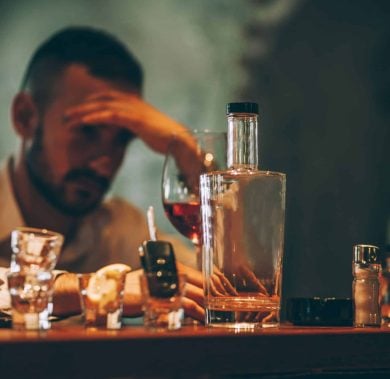
Alcohol Addiction
Regaining Control: Our Alcohol Abuse Program Provides Effective Tools and Strategies for Managing Your Drinking and Achieving Lasting Recovery

Benzo Addiction
Overcoming Dependence: Our Benzodiazepine Abuse Program Offers Compassionate Care & Evidence-Based Treatment to Help Break Free from Addiction

Cocaine Addiction
Reclaiming Your Power: Our Cocaine Abuse Program Helps You Break the Hold of Addiction and Build a Strong Foundation for Recovery
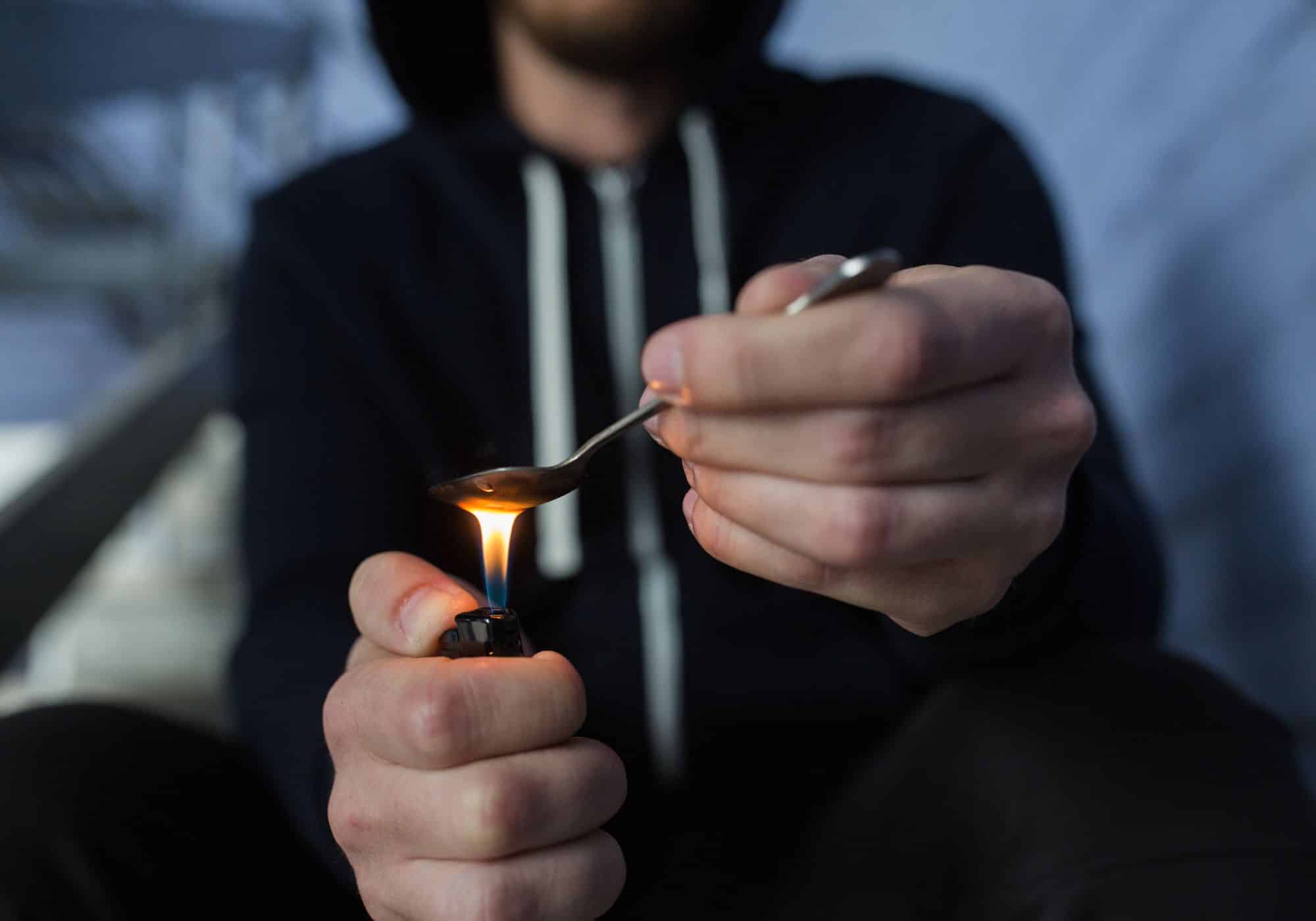
Crack Addiction
Starting Fresh: Our Crack Addiction Treatment Program Delivers Expert Care to Guide You Through Overcoming Your Reliance on This Hazardous Stimulant
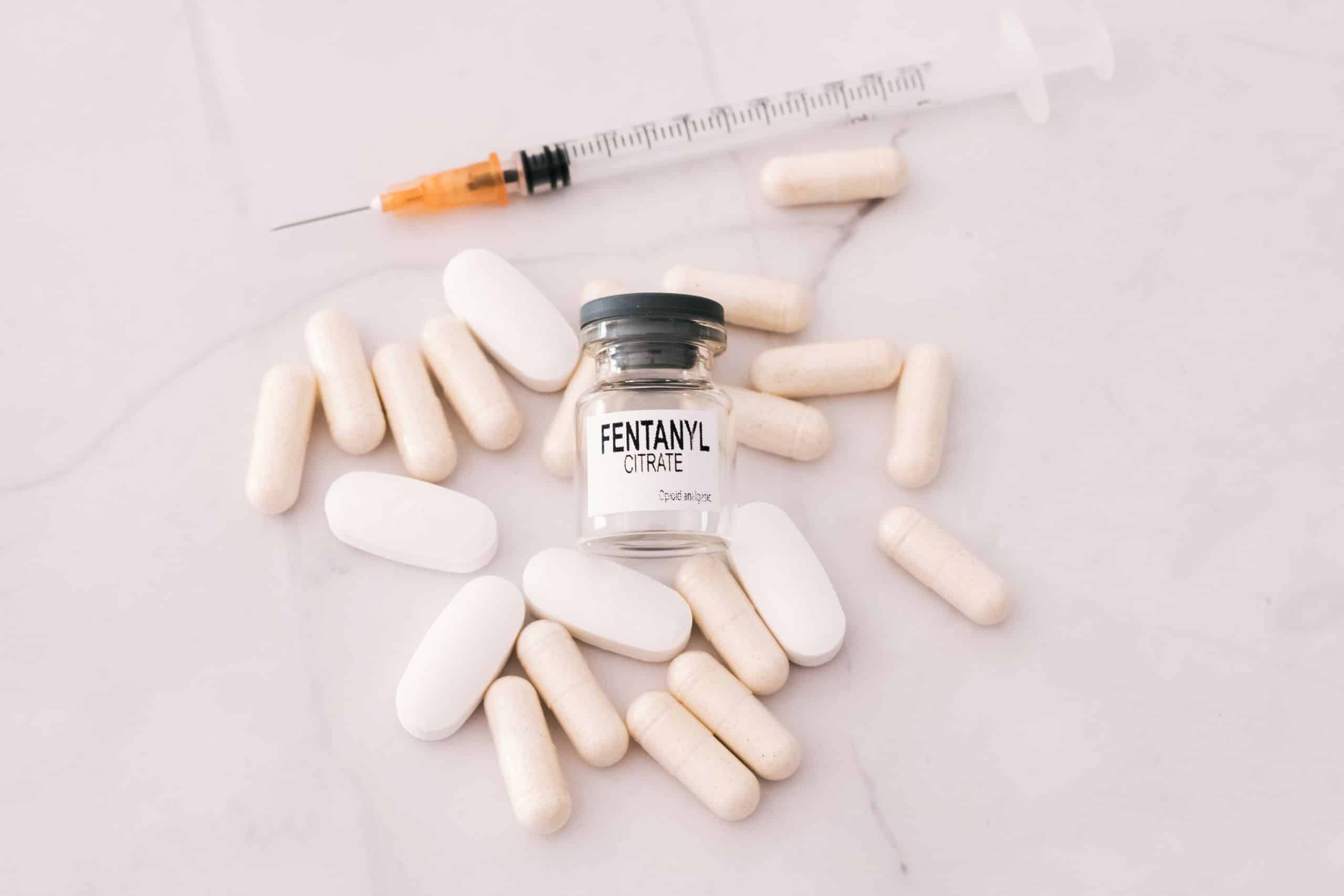
Fentanyl Addiction
Safe and Supported: Our Fentanyl Abuse Program Provides Specialized Care to Help You Overcome Your Dependence on This Dangerous Opioid
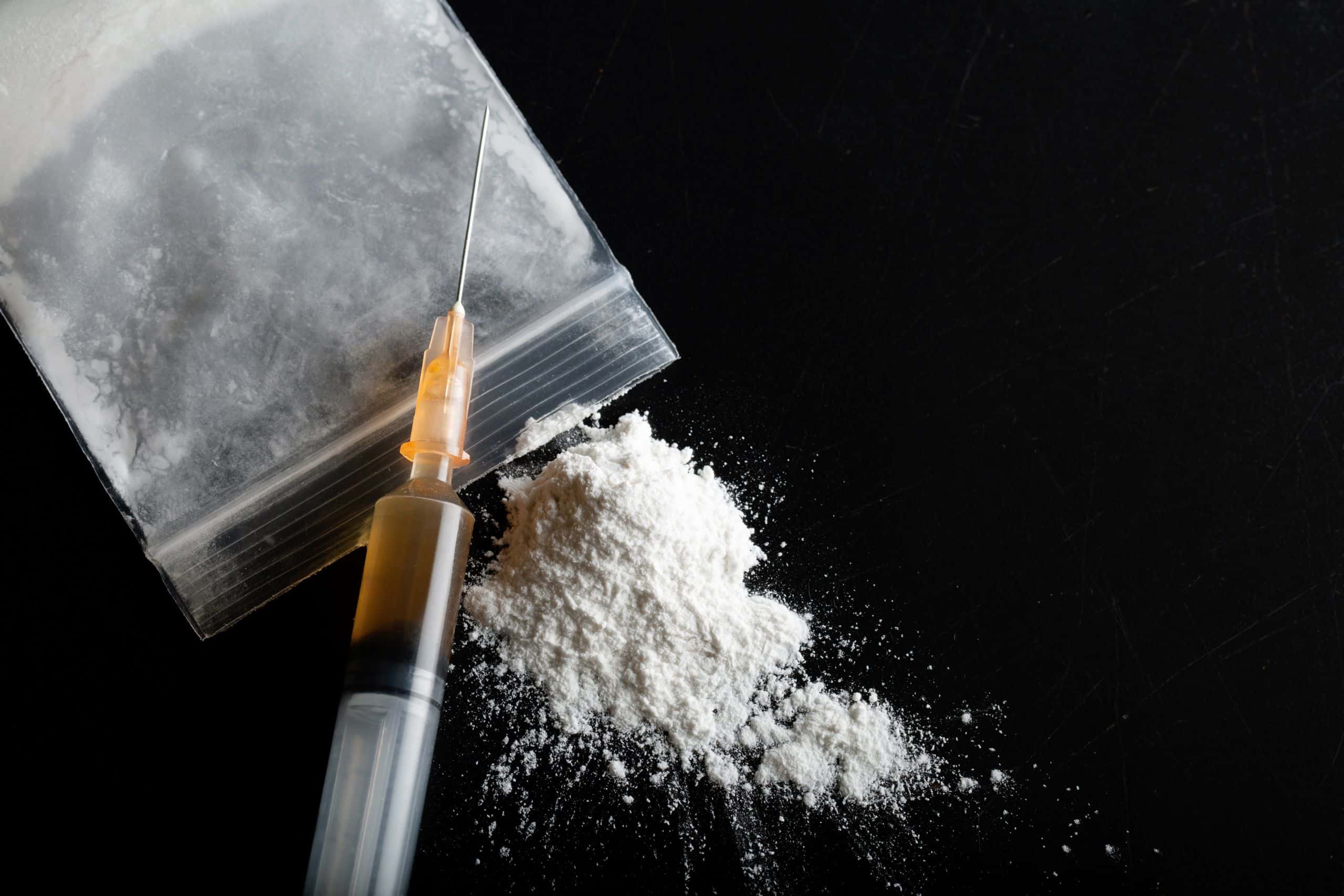
Heroin Addiction
A New Day, A New Beginning: Our Heroin Abuse Program Offers Hope and Healing to Those Struggling With Addiction to This Powerful Opioid
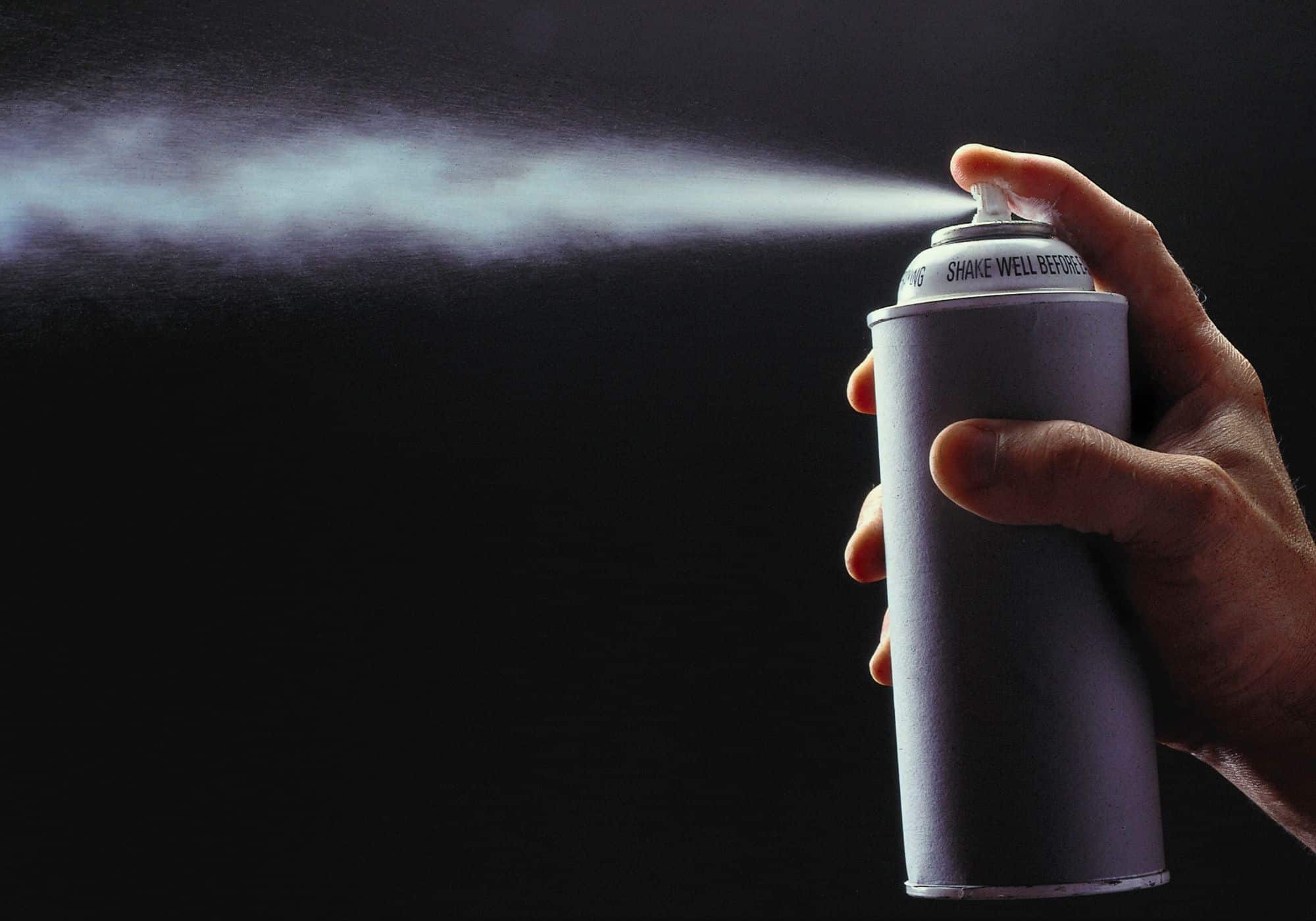
Inhalant Addiction
A Fresh Start: Embrace Recovery with Our Inhalant Abuse Program, Offering Guidance and Support to Overcome Addiction to These Hazardous Substances
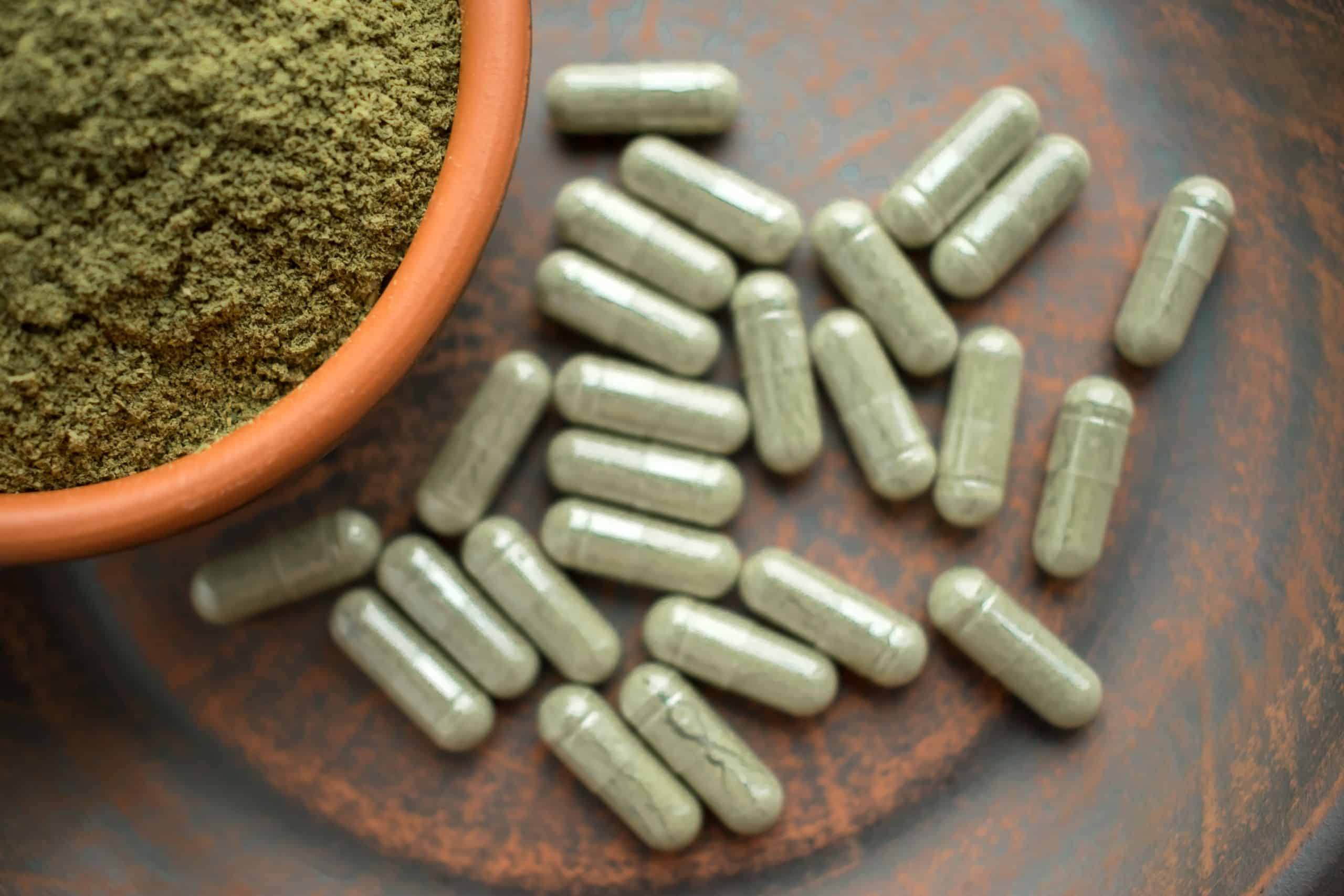
Kratom Addiction
Breaking Free: Our Kratom Abuse Program Empowers You to Overcome Addiction and Create a Joyful, Productive Life

Marijuana Addiction
Moving Forward: Our Marijuana Abuse Program Helps You Overcome Dependence and Build a Brighter Future Without Addiction
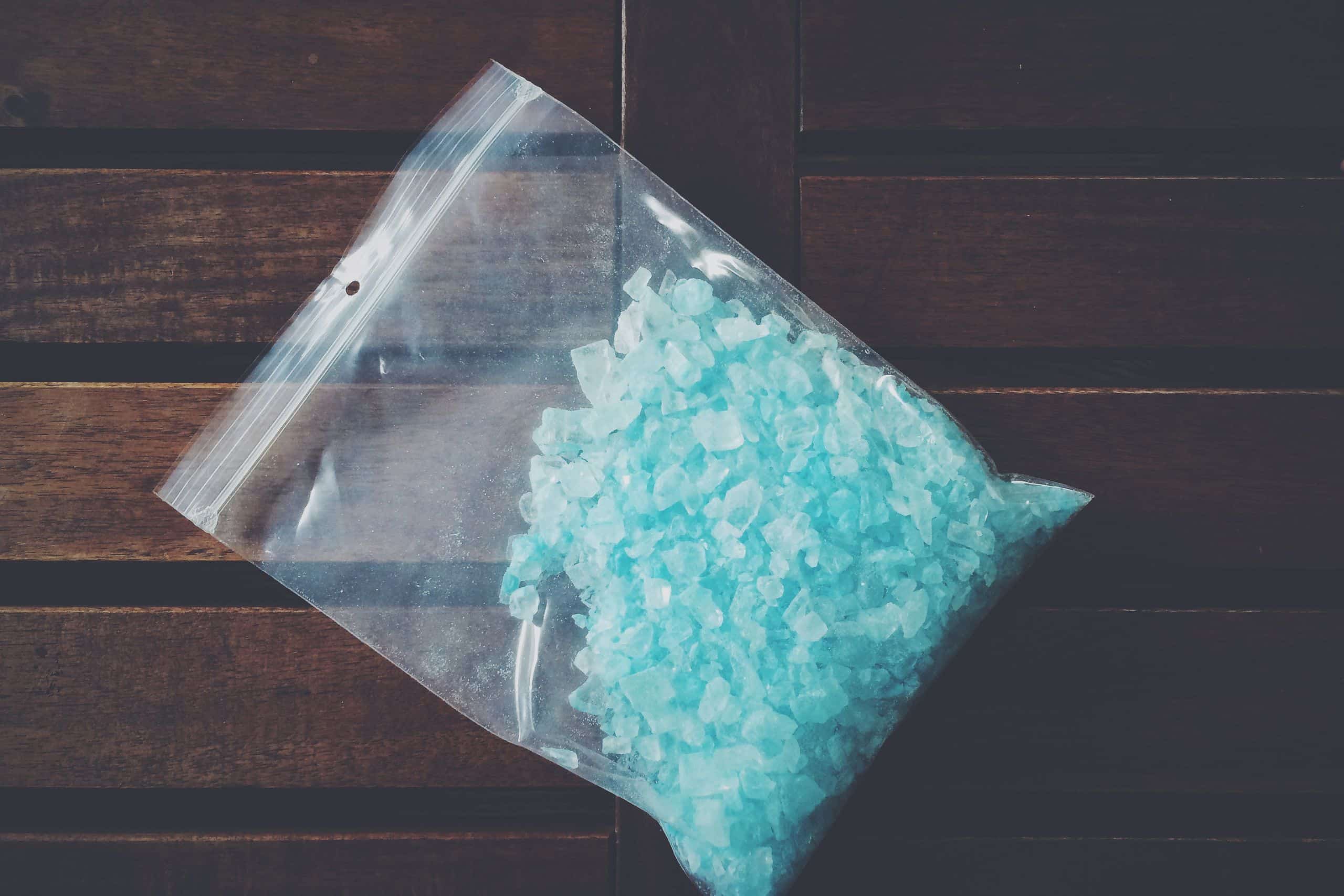
Meth Addiction
Rebuilding Your Life: Our Meth Abuse Program Provides Compassionate Care and Comprehensive Support for Lasting Recovery
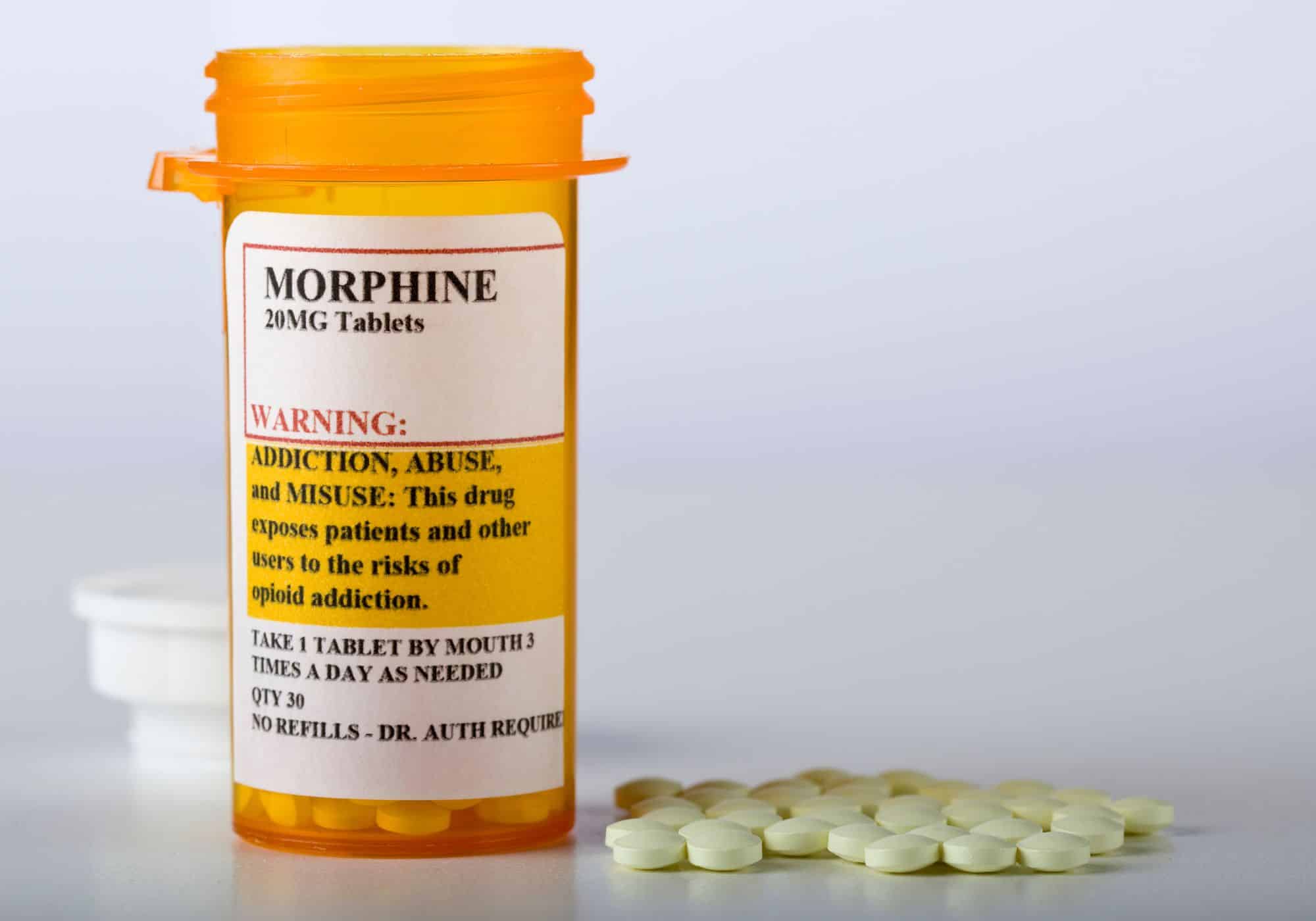
Morphine Addiction
Reclaiming Your Life: Our Morphine Abuse Program Helps You Find Freedom From Dependence and Reclaim Your Life
Opioid Addiction
Breaking the Chains: Our Prescription Opioid Abuse Program Helps You Find Freedom From Dependence and Reclaim Your Life
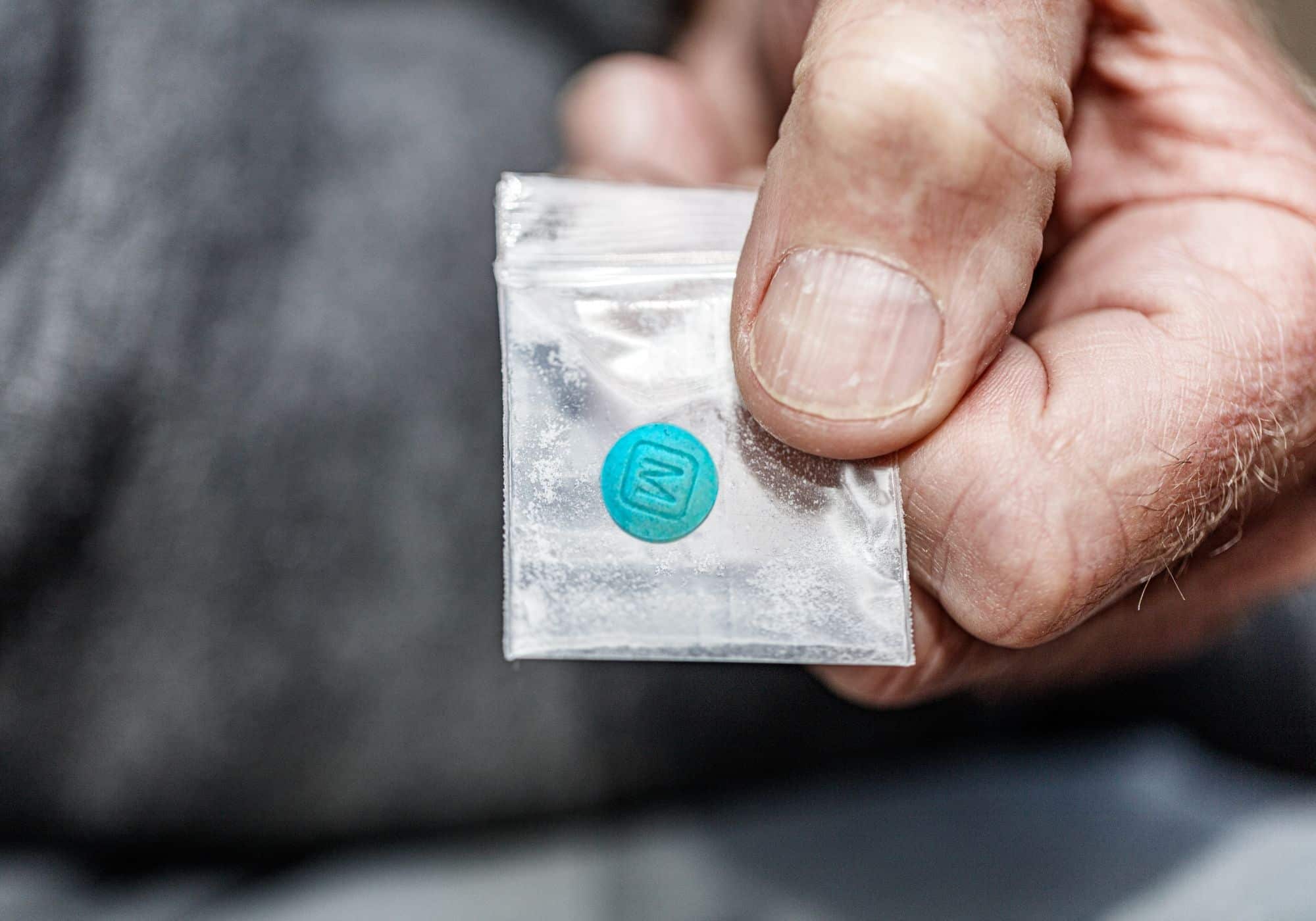
Opiate Addiction
Unshackling the Bonds: Our Drug Rehab Program for Opiate Misuse Guides You to Regain Control and Begin a New Life
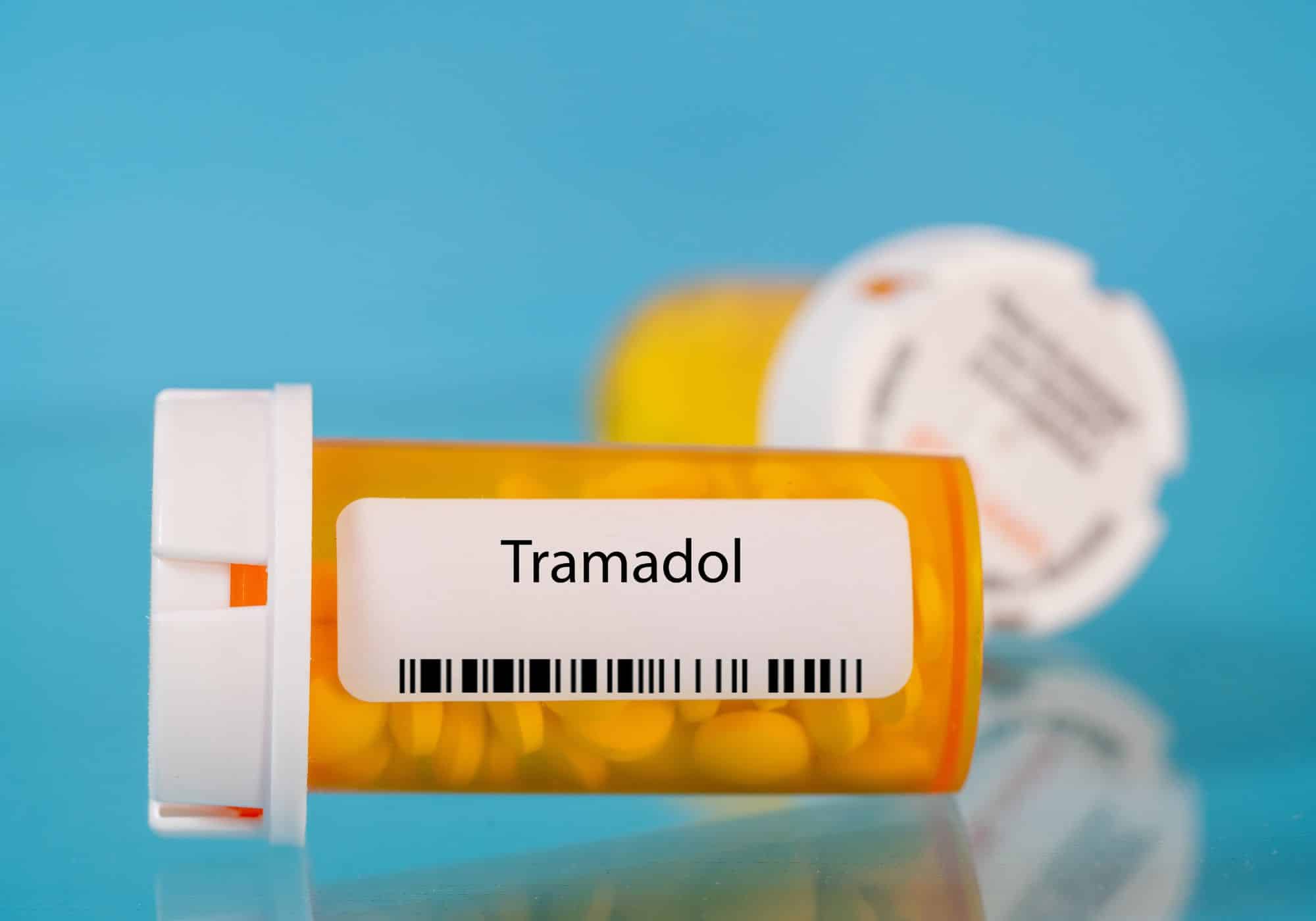
Tramadol Addiction
Breaking the Shackles: Our Tramadol Rehab Provides Compassionate Care and Comprehensive Support for Lasting Recovery
What Is Drug Addiction?
Drug addiction involves the habitual use of substances that are chemical in nature and, over time, can inflict significant damage to both the brain and body. When discussing someone grappling with addiction, it’s important to acknowledge the lasting harm that these substances can inflict on a person’s health.
There are various ways drugs can be consumed, such as smoking (inhalation), eating (ingestion), or using a needle (injection). The time it takes for the drugs to impact the user varies by method; injections deliver the substance directly into the bloodstream for an instant effect, while ingested drugs must pass through the digestive system first, delaying the onset of their impact.
Alarmingly, illicit drug use presents a high mortality risk, with approximately 700,000 deaths attributed to drug abuse each year. This staggering toll surpasses fatalities from heart attacks, cancer, and other leading causes of death. A closer look at these figures reveals that over half a million of these deaths are linked to the increased risk of disease or injury due to drug use, with another 160,000 resulting from overdoses. The numbers underscore the devastating and often deadly consequences of addiction, highlighting the urgent need for effective treatment and prevention strategies.

Signs and Symptoms of Drug Addiction
Drug addiction can manifest in a variety of ways, and although the specific symptoms may vary with each substance, there are some common indicators.
On a physical level, someone struggling with substance abuse might show signs such as:
- Red, watery eyes
- Noticeable skin issues
- Shaking or tremors
- Difficulty speaking clearly
- Changes in sleeping patterns, whether too much or too little
- Sudden weight changes
- A noticeably pale complexion
- Persistent or unusual body odors
- Breathing that seems more shallow than usual
- Regular bouts of feeling sick to the stomach
In terms of psychological and behavioral changes, you might observe:
- A constant feeling of being on edge or jittery
- Clear signs of confusion or difficulty concentrating
- Increased anxiety that wasn’t present before
- Episodes of depression
- Choosing to be alone more often than not
- Emotional ups and downs that seem out of character
- A newfound disinterest in hobbies or pastimes once enjoyed
- Taking money or medications without permission
- Lying in ways that are not typical for the individual
These signs and symptoms can be key indicators that someone may be facing challenges with drug addiction and might need professional help.
Do I Need a Drug Addiction Treatment Program?
Understanding whether you need professional assistance to deal with drug addiction can be a turning point in your journey to recovery. The American Psychiatric Association outlines certain criteria to help determine the presence of a substance abuse issue. Reflect on the questions below if you suspect addiction might be affecting your life:
- Have you found yourself using drugs before or during situations that could be hazardous?
- Have the consequences of your drug use negatively impacted your personal relationships, financial stability, or job status?
- Do you spend a considerable amount of time obtaining drugs, using them, and recovering from their effects?
- Do you experience intense urges for drugs when not actively using them?
- Despite facing adverse health effects, possibly as severe as overdose symptoms, do you persist in using drugs?
- Are attempts to quit using drugs unsuccessful, or do you suffer from withdrawal symptoms when attempting to stop?
- Is your drug use a means to self-medicate?
If you answered “yes” to any of these, it might be time to consider a drug addiction treatment program. Chronic drug abuse can lead to a profound change in body chemistry, making the body depend on the substance for normal functioning. When dependency reaches this level, ceasing use abruptly can lead to uncomfortable and potentially dangerous withdrawal symptoms. For support with drug addiction issues, including heroin use, please contact West Georgia Wellness Center at 470-347-1705.
Types of Therapy for Drug Addiction
Upon your arrival at our center, the journey to recovery begins with a comprehensive evaluation. This crucial step enables our specialists to craft a treatment blueprint tailored to your specific circumstances. Recognizing that each person’s descent into addiction is personal, we are dedicated to guiding you towards understanding the deeper issues at play, including past traumas or coexisting mental health conditions.
Our approach is integrative, combining holistic methods with scientifically supported therapies to address addiction effectively. The array of treatments available in our program includes:
- Individual Therapy
- Group Therapy
- Trauma Therapy
- CBT
- DBT
- Red Light Therapy
- Neurofeedback Therapy
- Biosound Therapy
- Family Therapy
- Holistic Therapy
- Medication-Assisted Treatment
- Genetic Testing
- Psychiatry
- Experiential Therapy
Our dedicated therapists will stand by your side throughout this lifelong journey of recovery, empowering you with the tools needed for lasting sobriety.
Negative Health Effects of Substance Abuse
Substance abuse can severely impact your health, leading to a myriad of both immediate and long-term challenges. Some health issues are directly tied to the periods of drug use, while others may develop or worsen over time, potentially causing irreversible harm. Nonetheless, it’s important to note that recovery and rehabilitation can significantly improve many of these conditions.
Here are some of the health complications that can arise from substance abuse:
- A compromised immune system, making you more susceptible to infections and illnesses.
- An increased risk of heart-related issues, including the risk of heart attacks and heart disease.
- Gastrointestinal distress, such as persistent nausea and stomach pain, which can contribute to dramatic and unhealthy weight loss.
- Liver damage, including liver failure, due to the organ being overwhelmed by toxins.
- Increased likelihood of suffering from strokes or seizures, along with potential for long-term brain damage.
- Development or exacerbation of lung diseases.
- Cognitive impairments affecting memory, focus, and the ability to make decisions.
- Global physiological effects, which may include disruptions to body temperature regulation and heart rate.
- A significant increase in the risk of fatalities, particularly with the abuse of opioids and heroin.
It’s critical for individuals facing substance abuse to seek professional help, as early intervention can prevent the progression of these health issues and support recovery and rehabilitation.
Does Insurance Cover Drug Rehab?
At West Georgia Wellness Center, we are deeply committed to ensuring that individuals in Atlanta and across the country can obtain the drug rehab treatment they need. The cost of rehab can be a significant concern, creating a barrier for many. Fortunately, a wide range of insurance plans do offer coverage for drug rehab services, which can greatly reduce the financial burden.
Our experienced intake coordinators are on hand to guide you through the intricacies of your insurance policy, helping you understand what treatments are covered and to what extent. They’re adept at navigating the complexities of insurance approvals, making sure you can maximize the benefits you’re entitled to.
For those without insurance or whose policies do not fully cover the costs of drug rehab, we don’t want you to feel discouraged. Our team will assist you in exploring alternative financing options to ensure that you have access to the necessary treatments.
At West Georgia Wellness Center, we believe that financial challenges should not impede your journey to recovery. To learn more about your insurance coverage and other financing options for substance abuse treatment, reach out to us at 470-347-1705 or use our online form to verify your insurance. Let us help you begin your path to a healthier life.

- Get In Touch
Find Addiction Treatment in Atlanta
Contact Us Today: Get the Support You Need to Achieve Optimal Mental Health

- Get In Touch
Find Addiction Treatment in Atlanta
Contact Us Today: Get the Support You Need to Achieve Optimal Mental Health
- We Are With You
Insurance We Accept